
Expert Facial Trauma & Facial Fracture Treatment
Facial trauma can affect much more than your appearance. Injuries can interfere with eating, speaking, breathing, and normal jaw function. Eastern Virginia OMS provides specialized oral and maxillofacial surgical care for facial trauma, facial fractures, and other facial injuries throughout Hampton Roads, with offices in Virginia Beach and Norfolk.
Non-Urgent Questions? Contact Us.
Expert Facial Trauma & Facial Fracture Treatment
Facial trauma can happen suddenly and unexpectedly. Automobile accidents, falls, sports injuries, workplace accidents, and other traumatic events can cause facial fractures, jaw injuries, dental injuries, and damage to the soft tissues of the face.
Some facial injuries are immediately obvious, while others may not become apparent until swelling decreases. Facial trauma can involve the:
- Upper or lower jaw
- Cheekbones
- Eye sockets
- Nose
- Midface
- Teeth and supporting structures
- Gums, lips, cheeks, and other soft tissues
Oral and maxillofacial surgeons are specially trained to evaluate and treat injuries involving the mouth, jaws, face, and associated structures. Facial fractures may involve the jaw, cheekbones, eye sockets, upper jaw, or multiple facial bones at the same time. Depending on the injury, treatment may address both facial function and the alignment of the affected structures.
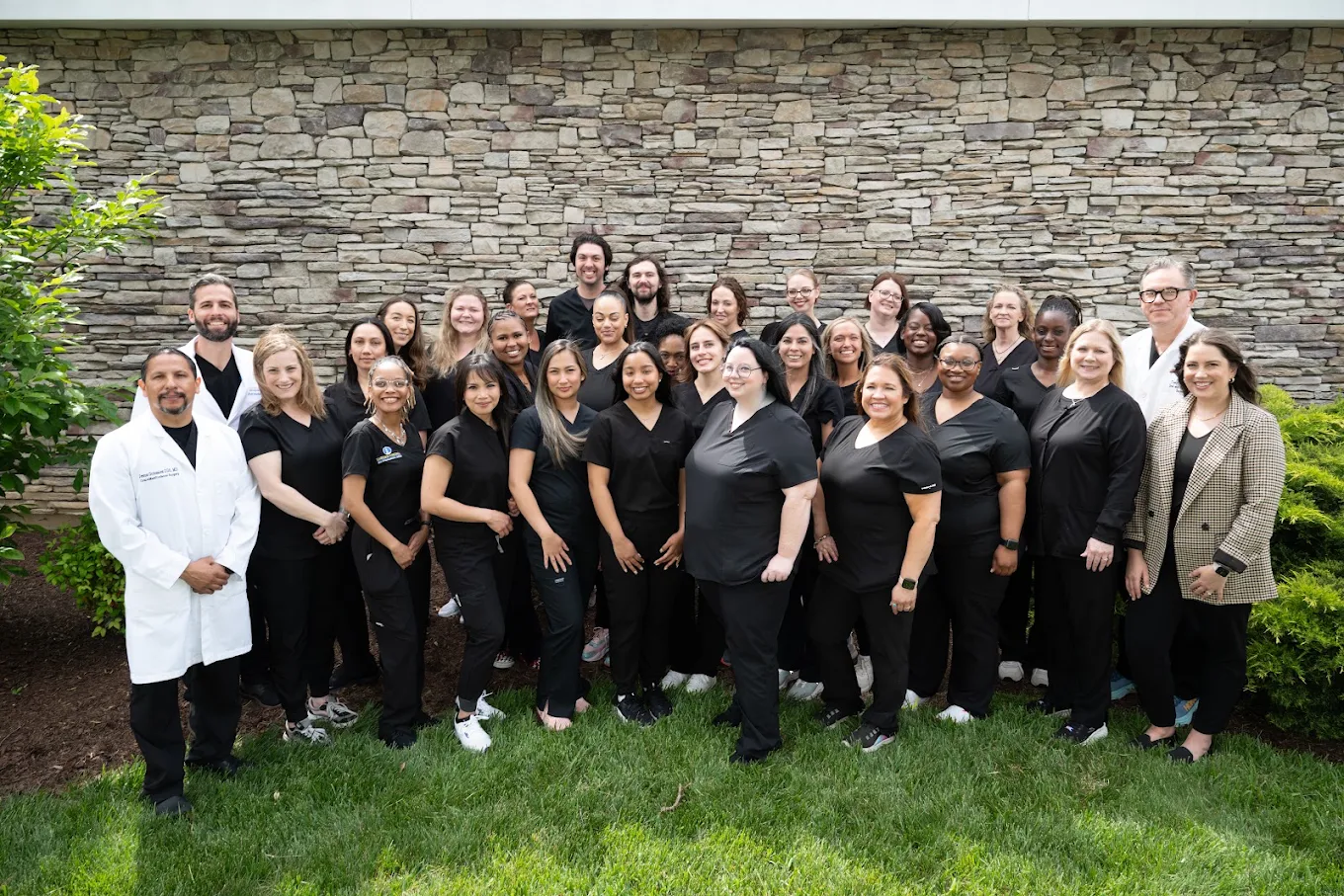
Visit our brand new, state-of-the-art offices. Enjoy an awesome staff and low wait times—we respect your time and treat you with a gentle touch.
Our Procedures
- Dental Emergencies
- Apicoectomy
- Bone Grafting
- Corrective Jaw Surgery (Orthognathic Surgery)
- Dental Extractions
- Dental Implants
- Facial Trauma Reconstruction
- Impacted Canines
- Oral Cancer Exam
- Oral Pathology
- Panoramic X-Rays
- Ridge Modification
- Sedation Dentistry
- Sinus Augmentation
- Sleep Apnea
- Sleep Apnea Appliances
- Soft Tissue Grafting
- TMJ (Temporomandibular Joint Disorders)
- Wisdom Teeth Extractions
What Is Facial Trauma Reconstruction?
Facial trauma reconstruction involves the evaluation and treatment of injuries affecting the face, mouth, jaw, teeth, facial bones, and associated soft tissues. Depending on the injury, facial trauma treatment may include observation, stabilization, repair of damaged tissues, or surgical treatment of facial fractures.
Treatment depends on the location and severity of the injury. Some injuries can be managed without surgery, while displaced, unstable, or more complex facial fractures may require surgical repair and stabilization.
The goals of facial trauma treatment may include:
- Restoring proper alignment of fractured facial bones
- Supporting normal jaw function and bite
- Protecting important facial structures
- Repairing damaged soft tissues
- Addressing dental injuries
- Supporting proper healing
- Restoring facial form and function
Because every facial injury is different, your treatment plan will be based on your examination, symptoms, imaging, and the nature of your injury.
Types of Facial Injuries We Treat
Jaw Fractures & Broken Jaw
A fractured jaw, also called a mandibular fracture, can affect your ability to bite, chew, speak, and open or close your mouth normally. Depending on the location and severity of the fracture, treatment may involve observation, stabilization, or surgical repair.
An oral and maxillofacial surgeon evaluates the fracture and surrounding structures to determine the most appropriate treatment and whether surgical fixation is necessary.
Cheekbone & Midface Fractures
The cheekbones and midface are important components of facial structure. Trauma in this region can cause swelling, pain, changes in facial contour, difficulty opening the mouth, or other symptoms.
Some cheekbone and midface fractures require careful stabilization to restore proper anatomy and function. Treatment depends on the location and severity of the fracture and whether other facial structures are involved.
Orbital Fractures
The bones surrounding the eye can also be damaged during facial trauma. An orbital fracture may occur along with injuries to nearby facial structures.
Because injuries around the eye can involve important anatomy, a thorough evaluation is essential when facial trauma affects the orbital region. Your surgeon can assess the injury and determine whether observation or surgical treatment is appropriate.
Nasal & Other Facial Fractures
Facial trauma can also involve the nasal bones and other portions of the facial skeleton. Treatment depends on the type of fracture, its location, whether the bones have shifted, and whether other facial structures are involved.
More complex facial injuries may involve multiple facial bones and require a comprehensive evaluation to determine the appropriate treatment.
Soft Tissue Injuries
Facial trauma may cause cuts, lacerations, puncture wounds, or other injuries to the lips, cheeks, gums, and surrounding tissues.
Proper evaluation and repair can help support healing and preserve function and appearance, particularly when soft tissue injuries occur alongside facial fractures.
Knocked-Out or Damaged Teeth
Trauma can fracture, loosen, displace, or completely knock out teeth. Dental injuries can also occur alongside fractures of the jaw and other facial bones.
A knocked-out tooth is a dental emergency. If a tooth has been completely displaced from its socket, seek professional dental care as quickly as possible. The appropriate treatment depends on the tooth, the injury, the surrounding tissues, and how quickly care is obtained.
When Should You See an Oral and Maxillofacial Surgeon for Facial Trauma?
Not every facial injury requires reconstructive surgery. However, facial trauma should be evaluated promptly when an injury may involve the facial bones, jaw, teeth, or significant soft tissue damage.
Seek immediate medical attention for severe injuries or symptoms such as:
- Difficulty breathing
- Heavy or uncontrolled bleeding
- Loss of consciousness
- Severe swelling
- Significant facial deformity
- Difficulty opening or closing the mouth
- A jaw that appears displaced
- Changes in your bite after an injury
- Vision problems following facial trauma
- Numbness or altered sensation after an injury
- A suspected facial fracture
- A tooth that has been knocked out
If you have suffered significant trauma, an emergency department may be the appropriate first stop for immediate medical stabilization. Once the emergency has been addressed, an oral and maxillofacial surgeon may be involved in evaluating and treating injuries involving the mouth, jaw, teeth, and facial bones. AAOMS similarly recommends emergency evaluation for severe facial injuries and identifies oral and maxillofacial surgeons as specialists in facial and mouth trauma.
How Is Facial Trauma Treated?
Facial trauma treatment depends on the type, location, and severity of the injury.
1. Comprehensive Evaluation
Your surgeon will review how the injury occurred, your symptoms, and your medical and dental history. A detailed examination helps identify injuries involving the teeth, jaw, facial bones, soft tissues, and surrounding structures.
2. Diagnostic Imaging
Imaging may be used to evaluate suspected facial fractures and determine the extent of facial injuries.
Depending on the injury, your surgeon may use appropriate dental or facial imaging to assess the affected structures and help develop a treatment plan.
3. Individualized Treatment
Once your injuries have been evaluated, your oral and maxillofacial surgeon will explain your treatment options.
Minor injuries may not require surgery. More significant or displaced facial fractures may require stabilization or surgical repair.
4. Fracture Repair & Stabilization
When facial bones are fractured and require surgical treatment, the goal is to restore appropriate alignment and stability.
Because the face cannot simply be placed in a traditional cast, facial fractures may be stabilized using surgical techniques and fixation methods appropriate for the specific injury. Depending on the fracture, fixation may involve plates, screws, wires, or other techniques.
5. Soft Tissue & Dental Treatment
Facial trauma can affect more than bone. Treatment may also involve management of injured gums, lips, cheeks, teeth, or other oral structures.
Depending on the injury, additional dental treatment may be coordinated with your general dentist or another dental specialist.
What to Expect During Facial Trauma Reconstruction
Your experience will depend on the nature and severity of your injury.
During your consultation, your surgeon will evaluate your condition, review available imaging, discuss treatment options, and explain what you can expect during treatment and recovery.
Your treatment plan may address both immediate concerns and longer-term restoration of function.
After treatment, you will receive individualized instructions for caring for the affected area and supporting healing. Follow-up appointments may be recommended to monitor your recovery and evaluate the treated area.
Why Choose an Oral and Maxillofacial Surgeon for Facial Trauma?
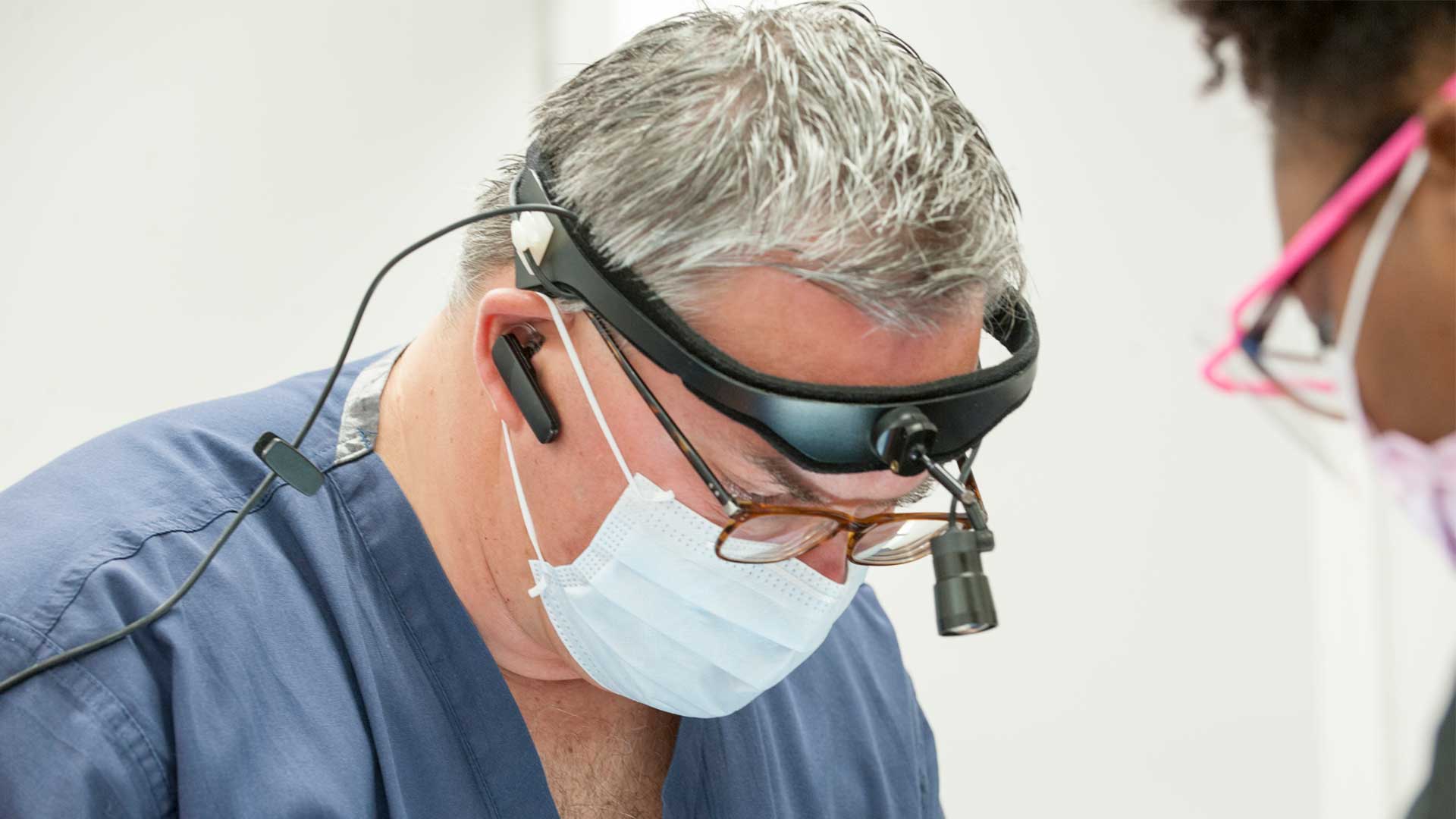
Oral and maxillofacial surgeons receive specialized training in conditions affecting the mouth, jaws, face, and associated structures.
Facial trauma can involve multiple areas at the same time. A fracture of the jaw, for example, may also affect your teeth, bite, facial symmetry, or surrounding soft tissues.
For this reason, facial trauma treatment requires more than simply addressing the visible injury. A comprehensive evaluation considers how the injury affects the structures responsible for normal facial function.
EVOMS includes trauma surgery and reconstructive surgery within the clinical scope of oral and maxillofacial surgery.
AAOMS specifically identifies OMSs as specialists in treating facial trauma, including fractures of the teeth and jaws, other facial bones, and soft tissues of the face and mouth.
Facial Trauma Treatment in Norfolk and Virginia Beach
Eastern Virginia OMS provides oral and maxillofacial surgical care for facial trauma and facial fractures throughout Hampton Roads.
Our practice has offices in Norfolk and Virginia Beach, making specialized oral and maxillofacial care accessible to patients throughout the region. EVOMS’s current site confirms both its Norfolk and Virginia Beach offices and identifies facial trauma reconstruction among its procedures.
Whether you were injured in an accident, suffered a sports injury, experienced a fall, or sustained another type of facial trauma, our team can evaluate your condition and help determine the appropriate next step.

Schedule a Facial Trauma Consultation
Facial injuries can be stressful and sometimes require specialized care. If you have suffered an injury involving your face, mouth, jaw, teeth, or facial bones, contact Eastern Virginia OMS to discuss your situation.
Our team can evaluate your injury, explain your treatment options, and help you understand what to expect next.
When should I see an oral and maxillofacial surgeon after a facial injury?
You should seek prompt evaluation when facial trauma may have caused a fracture, jaw injury, significant dental injury, facial deformity, or substantial soft tissue damage. Severe bleeding, breathing problems, loss of consciousness, or other serious symptoms require immediate emergency medical attention.
Can a broken jaw require surgery?
How are facial fractures diagnosed?
Diagnosis generally begins with a clinical examination and review of how the injury occurred. Your surgeon may also use appropriate imaging to evaluate the facial bones and surrounding structures.
What types of facial fractures can an oral and maxillofacial surgeon treat?
Facial trauma can involve the jaw, cheekbones, eye sockets, nose, upper jaw, and other facial structures. An oral and maxillofacial surgeon can evaluate facial fractures and determine whether surgical treatment is appropriate.
Schedule a Facial Trauma Consultation
Facial injuries can be stressful and sometimes require specialized care. If you have suffered an injury involving your face, mouth, jaw, teeth, or facial bones, contact Eastern Virginia OMS to discuss your situation.
Our team can evaluate your injury, explain your treatment options, and help you understand what to expect next.
Frequently Asked Questions
When should I see an oral and maxillofacial surgeon after a facial injury?
You should seek prompt evaluation when facial trauma may have caused a fracture, jaw injury, significant dental injury, facial deformity, or substantial soft tissue damage. Severe bleeding, breathing problems, loss of consciousness, or other serious symptoms require immediate emergency medical attention.
Can a broken jaw require surgery?
How are facial fractures diagnosed?
Diagnosis generally begins with a clinical examination and review of how the injury occurred. Your surgeon may also use appropriate imaging to evaluate the facial bones and surrounding structures.
What types of facial fractures can an oral and maxillofacial surgeon treat?
Facial trauma can involve the jaw, cheekbones, eye sockets, nose, upper jaw, and other facial structures. An oral and maxillofacial surgeon can evaluate facial fractures and determine whether surgical treatment is appropriate.