
Corrective Jaw Surgery
in Hampton Roads
When jaw misalignment affects your bite, comfort, appearance, or daily function, corrective jaw surgery can help restore proper alignment and improve how your jaws work together. Also known as orthognathic surgery or jaw alignment surgery, this specialized treatment can address significant skeletal bite problems that cannot be corrected with orthodontics alone. Eastern Virginia OMS provides personalized corrective jaw surgery in Hampton Roads, including Virginia Beach and Norfolk.
Expert Care For Better Jaw Alignment
Corrective jaw surgery, also known as orthognathic surgery, is used to correct significant problems with the alignment of the upper jaw, lower jaw, or both. These problems can affect how your teeth come together and may make everyday activities such as chewing, speaking, or breathing more difficult.
Jaw misalignment can develop because of differences in jaw growth, birth conditions, developmental problems, or facial trauma. When orthodontic treatment alone cannot properly correct the problem, jaw surgery may be recommended.
The goal of jaw misalignment treatment is to create a healthier relationship between the upper and lower jaws while improving bite function and facial balance. Depending on your condition, treatment may involve the upper jaw, lower jaw, or both.
At Eastern Virginia OMS, our oral surgeons work closely with your orthodontist and other dental providers to develop a comprehensive treatment plan designed around your individual needs.
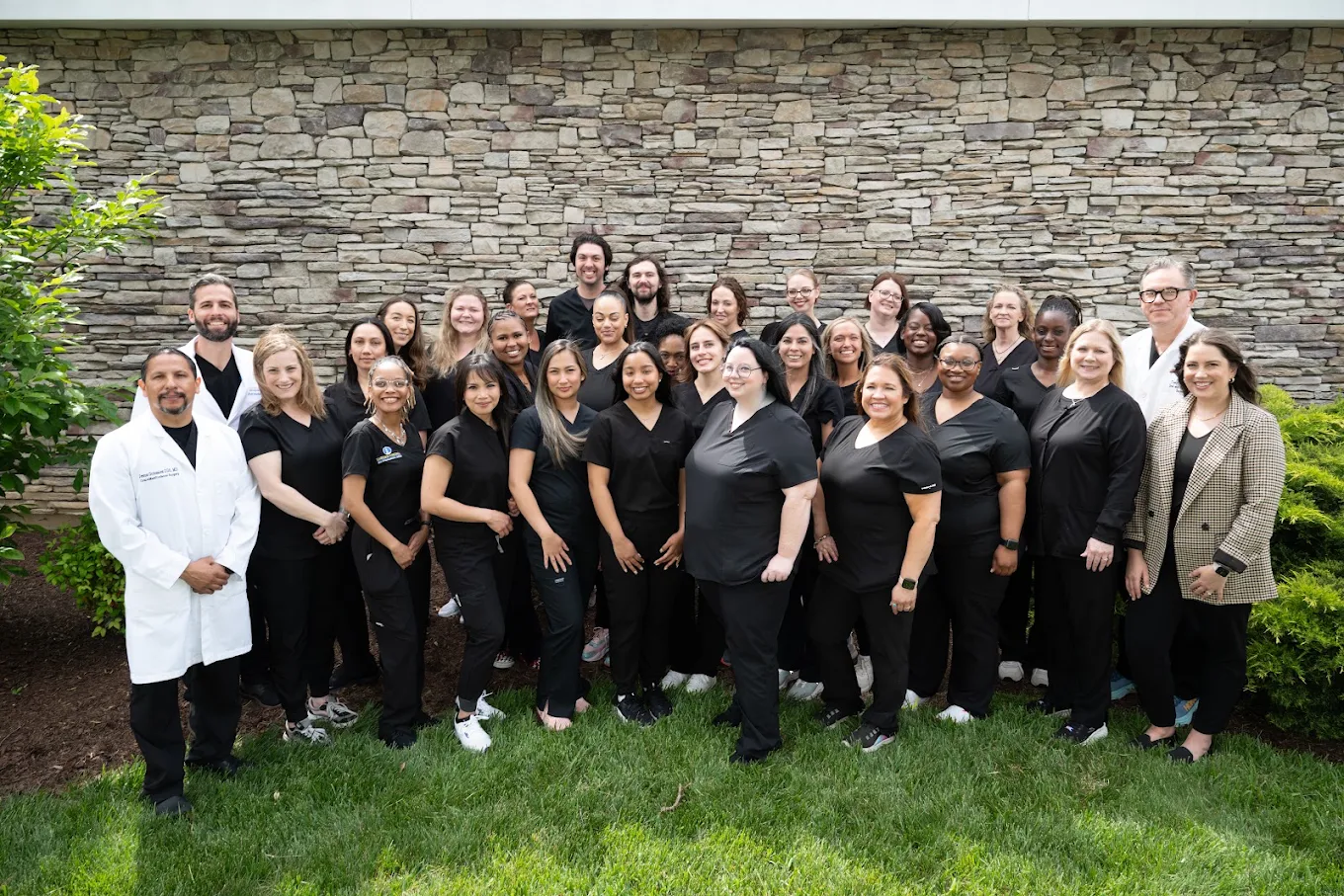
Visit our brand new, state-of-the-art offices. Enjoy an awesome staff and low wait times—we respect your time and treat you with a gentle touch.
Our Procedures
- Dental Emergencies
- Apicoectomy
- Bone Grafting
- Corrective Jaw Surgery (Orthognathic Surgery)
- Dental Extractions
- Dental Implants
- Facial Trauma Reconstruction
- Impacted Canines
- Oral Cancer Exam
- Oral Pathology
- Panoramic X-Rays
- Ridge Modification
- Sedation Dentistry
- Sinus Augmentation
- Sleep Apnea
- Sleep Apnea Appliances
- Soft Tissue Grafting
- TMJ (Temporomandibular Joint Disorders)
- Wisdom Teeth Extractions
What Is Orthognathic Surgery?
Orthognathic surgery is a type of corrective jaw surgery that repositions the upper jaw, lower jaw, or both to improve alignment and function. The procedure is designed to address skeletal problems that cannot be corrected through orthodontics alone.
Depending on your condition, treatment may involve:
- Upper jaw surgery (maxillary osteotomy)
- Lower jaw surgery (mandibular osteotomy)
- Mandibular ramus surgery
- Upper and lower jaw surgery
- Jaw reconstruction following facial trauma
Your oral surgeon will use advanced imaging and careful surgical planning to determine the appropriate approach for your jaw alignment and bite.
Types of Corrective Jaw Surgery
The type of corrective jaw surgery you need depends on the location and severity of your jaw misalignment. Your oral surgeon will use detailed imaging and surgical planning to determine the appropriate approach.
Upper Jaw Surgery
Upper jaw surgery, also called a maxillary osteotomy, repositions the upper jaw to correct problems with alignment and bite. It may be used to address certain overbites, open bites, crossbites, and other skeletal abnormalities.
Lower Jaw Surgery
Lower jaw surgery, or mandibular osteotomy, repositions the lower jaw to improve its relationship with the upper jaw. This type of jaw realignment surgery may be used to treat significant underbites and other forms of jaw misalignment.
Double Jaw Surgery
When both jaws contribute to a bite or alignment problem, surgery may involve repositioning the upper and lower jaws. This is sometimes called double jaw surgery and can help establish a more balanced bite and facial relationship.
Mandibular Ramus Surgery
Mandibular ramus surgery involves a specific portion of the lower jaw and may be used as part of certain corrective jaw procedures. Your surgeon will determine whether this approach is appropriate based on your anatomy and treatment goals.
Why Is Corrective Jaw Surgery Needed?
Jaw misalignment can affect much more than the appearance of your smile. When the upper and lower jaws do not align properly, it can place excessive stress on the teeth, jaw joints, and muscles involved in chewing.
When jaw misalignment causes a significant malocclusion, or abnormal bite, malocclusion surgery may be recommended when orthodontics alone cannot correct the underlying skeletal problem.
Corrective jaw surgery may be recommended for problems such as:
- Severe overbite
- Underbite
- Open bite
- Facial asymmetry
- Difficulty chewing or biting
- Excessive tooth wear
- Jaw pain or functional problems
- Problems related to abnormal jaw growth
- Certain breathing or airway concerns
In some cases, correcting the position of the jaws can improve both function and facial balance. Your surgical plan will depend on the underlying cause and severity of your jaw misalignment.
Corrective Jaw Surgery for Overbites & Underbites
For patients with a severe skeletal overbite, overbite jaw surgery may be considered when orthodontic treatment alone cannot correct the underlying jaw position.
Overbite
An overbite occurs when the upper front teeth extend significantly over the lower front teeth. While a mild overbite can be normal, a severe skeletal overbite may affect chewing, tooth function, and jaw comfort.
When the problem is caused by the position of the jaws rather than the teeth alone, corrective jaw surgery may be recommended as part of comprehensive orthodontic treatment.
Underbite
An underbite occurs when the lower jaw extends beyond the upper jaw. This can affect the way your teeth meet and may contribute to difficulty chewing, uneven tooth wear, or facial imbalance. For significant skeletal underbites, underbite jaw surgery can reposition the lower jaw and improve the relationship between the upper and lower jaws.
Orthognathic surgery can reposition the jaw to create a more balanced relationship between the upper and lower jaws.
How Is Corrective Jaw Surgery Performed?
Your treatment will be carefully planned before surgery using clinical examinations, X-rays, and advanced 3D imaging when appropriate. Your oral surgeon will determine which areas of the jaw need to be repositioned.
During corrective jaw surgery, the surgeon makes carefully planned cuts in the jawbone and repositions the jaw into the desired alignment. Small plates and screws are typically used to stabilize the jaw while it heals.
The specific surgical approach depends on whether the upper jaw, lower jaw, or both require correction. The goal of jaw alignment surgery is to place the jaws into a more functional and balanced position. Your oral surgeon will determine the precise movements needed based on your bite, facial structure, and treatment plan.
Working With Your Orthodontist
Corrective jaw surgery is often performed as part of a combined orthodontic and surgical treatment plan. Orthodontics can move the teeth into proper position, while orthognathic surgery addresses the underlying position of the jaws.
Your oral surgeon and orthodontist will coordinate your treatment before and after surgery to help achieve the best possible functional and aesthetic result.

Corrective Jaw Surgery Recovery
Recovery from corrective jaw surgery, also known as orthognathic surgery recovery, varies depending on the type and extent of treatment. Swelling, tenderness, and temporary changes in how your jaw feels or functions are common during the early stages of healing.
Your oral surgeon will provide detailed instructions regarding diet, oral hygiene, activity, medications, and follow-up appointments. Following these instructions carefully can help support proper healing and recovery.
Why Choose Eastern Virginia OMS?
Eastern Virginia OMS provides specialized oral and maxillofacial surgery throughout Hampton Roads. Our experienced oral surgeons specialize in complex jaw surgery and use advanced imaging, detailed treatment planning, and modern surgical techniques. Choosing an oral surgeon with experience in corrective jaw surgery is an important part of developing an appropriate treatment plan for complex jaw alignment problems.
We take the time to understand your concerns, explain your treatment options, and develop a surgical plan tailored to your individual needs.

Schedule A Corrective
Jaw Surgery Consultation
If you have been told that orthodontics alone cannot correct your bite or jaw alignment, Eastern Virginia OMS can help you understand your options for corrective jaw surgery in Virginia Beach, Norfolk, and throughout Hampton Roads.
Contact our office to schedule a consultation for corrective jaw surgery in Hampton Roads. Our team is here to answer your questions, explain the next steps, and help you move forward with treatment.
Who needs corrective jaw surgery?
Corrective jaw surgery may be recommended for patients with significant overbites, underbites, open bites, facial asymmetry, or other jaw alignment problems that orthodontics alone cannot correct.
Is corrective jaw surgery the same as orthognathic surgery?
How long does it take to recover from jaw surgery?
Recovery varies based on the type and extent of surgery. Your oral surgeon will provide a personalized recovery timeline and detailed aftercare instructions.
Will I need braces before or after jaw surgery?
Many patients receive orthodontic treatment before and after corrective jaw surgery. Your oral surgeon and orthodontist will coordinate your treatment plan based on your specific needs.
Schedule A Corrective Jaw Surgery Consultation
If you have been told that orthodontics alone cannot correct your bite or jaw alignment, Eastern Virginia OMS can help you understand your options.
Contact our office to schedule a consultation for corrective jaw surgery in Hampton Roads. Our team is here to answer your questions, explain the next steps, and help you move forward with treatment.
Frequently Asked Questions
Who needs corrective jaw surgery?
Corrective jaw surgery may be recommended for patients with significant overbites, underbites, open bites, facial asymmetry, or other jaw alignment problems that orthodontics alone cannot correct.
Is corrective jaw surgery the same as orthognathic surgery?
How long does it take to recover from jaw surgery?
Recovery varies based on the type and extent of surgery. Your oral surgeon will provide a personalized recovery timeline and detailed aftercare instructions.
Will I need braces before or after jaw surgery?
Many patients receive orthodontic treatment before and after corrective jaw surgery. Your oral surgeon and orthodontist will coordinate your treatment plan based on your specific needs.