
Oral Cancer Screening
Maintain A Healthy Smile
Spot Hidden Warning Signs Sooner With Oral Cancer Screening in Norfolk
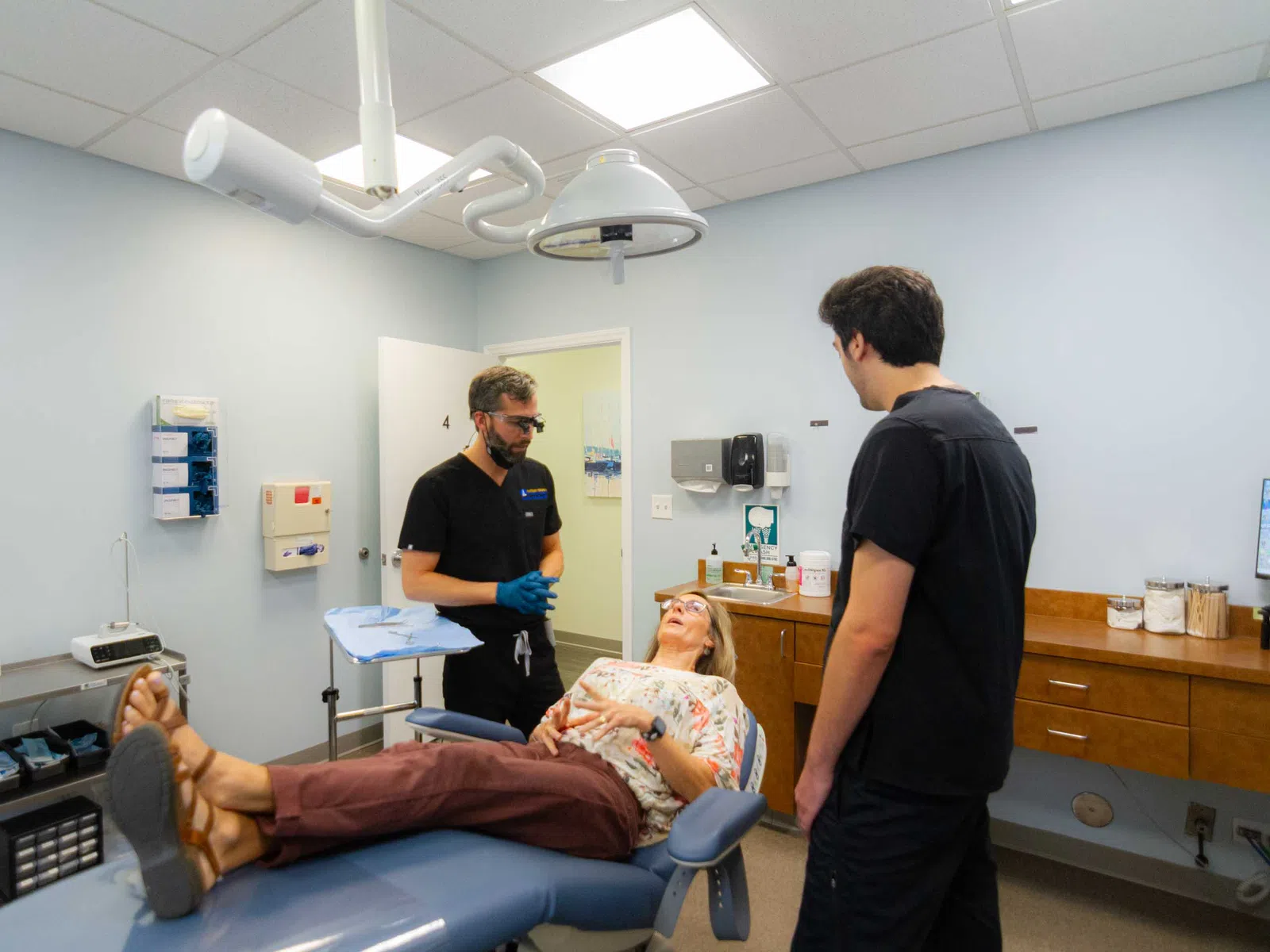
Our experienced team performs each oral cancer screening in Norfolk with a gentle, hands-on exam. A few minutes of careful attention can catch changes in your mouth while they're still small and easier to treat. Regular checks give you confidence that your oral health is on the right track. Your surgeon will check the soft tissues inside your mouth for unusual patches, then feel along your jaw and neck for lumps. The visit is painless and requires no special preparation. Screenings are especially valuable if you use tobacco or drink alcohol often.
If anything looks unusual, a biopsy can provide clear answers, and our team will guide you to the next step. Schedule a screening to keep your smile and health protected.
Learn What a Screening Checks For Inside Your Mouth
A screening for oral cancer looks for early signs of problems, such as sores that won't heal and patches that are red or white. Your surgeon will also check under the tongue and along the floor of the mouth, where early changes often hide. Feeling the neck helps detect swollen lymph nodes.
Most adults benefit from a yearly check. People with higher risk, including tobacco users, may need more frequent visits. Many people have their screening alongside a routine dental checkup. If you notice a change between appointments, don't wait for your next scheduled exam.
When an unusual spot appears, a biopsy determines whether it is harmless or needs treatment. Most findings are benign and easily managed.
Catch small problems early with an oral cancer screening in Norfolk. Contact us today for an appointment.
Hidden Areas Checked
The exam covers spots like the floor of the mouth that are hard to see on your own.
Better Treatment Outcomes
Oral cancer found early is far more treatable than cancer discovered after symptoms appear or spread.
No Downtime
The quick, non-invasive visit lets you return to work or daily plans right away with no recovery needed.
Risk-Based Guidance
Your surgeon recommends how often to return based on your habits and health history and any past findings.
Benign Concerns Addressed
If a harmless growth is found, it can often be removed and tested during a simple follow-up.
Frequently Asked Questions About Oral Cancer Screenings
Q Where does oral cancer most often develop?
Oral cancer most often develops on the sides of the tongue and the floor of the mouth. It can also appear on the lips or inner cheeks. HPV-related cancers usually form farther back, near the tonsils and base of the tongue. Screenings check each of these areas carefully, since changes there are easy to miss.
Q Can oral cancer develop without symptoms?
Oral cancer can develop without symptoms, especially in its early stages. Many small lesions cause no pain or noticeable discomfort. People often don't notice changes until the cancer has grown or spread. This is why routine screenings matter, since a trained eye can spot subtle changes before they become serious.
Q What technology helps detect oral cancer?
Technology that helps detect oral cancer includes special screening lights that highlight abnormal tissue. Some offices also use brush tests that collect surface cells for lab review. These methods add information to a visual exam but do not replace a biopsy. A tissue biopsy remains the standard for confirming a diagnosis.
Q Does alcohol increase oral cancer risk?
Alcohol increases oral cancer risk, especially with heavy or frequent drinking. Alcohol can irritate the tissues of the mouth and make them more vulnerable to damage. When combined with tobacco, the risk rises sharply. Limiting alcohol is one of the simplest ways to lower your chances of developing oral cancer.
Q Is oral cancer more common in men?
Oral cancer is more common in men, who are about twice as likely as women to develop it. Higher rates of tobacco and alcohol use have historically played a role. HPV-related throat cancers are also rising among middle-aged men. Women still face real risk, so regular screenings matter for every adult.
Q Can sun exposure cause lip cancer?
Sun exposure can cause lip cancer, especially on the lower lip. People who work outdoors or spend long hours in the sun face higher risk. Using lip balm with SPF and wearing a wide-brimmed hat help protect the lips. Report any sore or scaly patch that doesn't heal within two weeks.
Q Should I get screened for oral cancer if I don’t smoke?
You should still get screened for oral cancer even if you don't smoke. HPV infection is now a leading cause of some oral and throat cancers in nonsmokers. Age and sun exposure also play a role. Regular screenings help catch changes early, no matter your habits or lifestyle. Some cancers appear with no known cause.
Q How long does an oral cancer screening take?
An oral cancer screening usually takes about five to 10 minutes. The provider examines the inside of your mouth and feels along your jaw and neck for lumps. You can return to normal activities right away. Many people have the screening as part of a regular dental or surgical visit.

