Technology
Benefit From Our Innovative Equipment
Get Precise Oral Surgery With Leading Technology in Virginia Beach
Detailed images and guided placement help your oral surgery go smoothly and fit your unique anatomy. Our board-certified oral and maxillofacial surgeons use advanced technology in Virginia Beach to plan your procedure before it begins and guide it in real time. Cone beam CT scans and panoramic X-rays reveal the shape of your jaw and the location of nearby nerves. For dental implants, Yomi robotic guidance helps our surgeons follow the planned position, and X-Nav navigation tracks each movement live, much like GPS. Photogrammetry captures implant positions so full-arch teeth fit well.
These systems add to our surgeons' training and judgment rather than replace it. Careful planning means fewer surprises on surgery day. Schedule a consultation to see how our leading-edge technology can make your treatment more predictable.
Discover the Technology Behind Safer, More Predictable Oral Surgery
Each surgical procedure begins with a clear picture of your anatomy. Our 3-D CT scanning and panoramic imaging show bone height and width, while Nomad handheld imaging lets our team capture X-rays chairside.
Your surgeon will then use digital planning software to map out each step. Planning ahead lets them spot potential problems before they happen. For implants, they choose the ideal angle and depth before surgery, then use robotic or navigation guidance to follow that plan.
After placement, photogrammetry records exactly where each implant sits. A 3-D printing workflow helps connect the surgical and restorative phases, so your final teeth fit perfectly. Our advanced technology complements the skill of our board-certified surgeons, giving you care that is both careful and efficient.
Find out how leading-edge technology in Virginia Beach improves your care. Contact our team today for a consultation.
Yomi Robotic Guidance
A robotic arm gently guides the surgeon's hand to place each implant at the exact planned angle and depth.
X-Nav Dynamic Navigation
Real-time tracking displays precise details on-screen, allowing our surgeons to adjust instantly during implant placement.
Cone Beam CT Imaging
Detailed 3-D and panoramic scans show our surgeons your jaw structure clearly before any treatment begins.
Photogrammetry Scanning
This system records implant positions with high precision so full-arch replacement teeth fit comfortably and securely.
3-D Printing Workflow
Digital designs move smoothly from surgery to restoration, helping create implant teeth that match your treatment plan.
Frequently Asked Questions About Technology
Q What technology is used for oral surgery?
Oral surgeons use advanced technology like 3-D imaging and guided surgery systems to plan and perform procedures. Cone beam CT shows the jaw in three dimensions. Robotic and navigation systems help place dental implants exactly where they were planned. These technologies add to a surgeon's skill and training rather than replacing it.
Q What is robotic dental implant surgery?
Robotic dental implant surgery uses a robotic system to guide the surgeon's hand during implant placement. The surgeon plans the implant's angle and depth on a 3-D scan first. During surgery, the robot keeps the implant on its planned path. The surgeon stays in control the entire time. Yomi is one example of this technology.
Q What is dynamic navigation in implant surgery?
Dynamic navigation in implant surgery tracks the instrument's position in real time and shows it on a screen. It works much like GPS, comparing the instrument's path to the surgeon's digital plan. The surgeon can make small adjustments right away during placement. X-Nav is one widely used dynamic navigation system for implants.
Q What is a cone beam CT scan?
A cone beam CT scan is a type of 3-D X-ray that shows the jawbone and nearby nerves in detail. It takes less than a minute and uses a lower radiation dose than a medical CT. Oral surgeons use these scans to plan implant placement and evaluate impacted teeth or jaw cysts.
Q What is photogrammetry in dentistry?
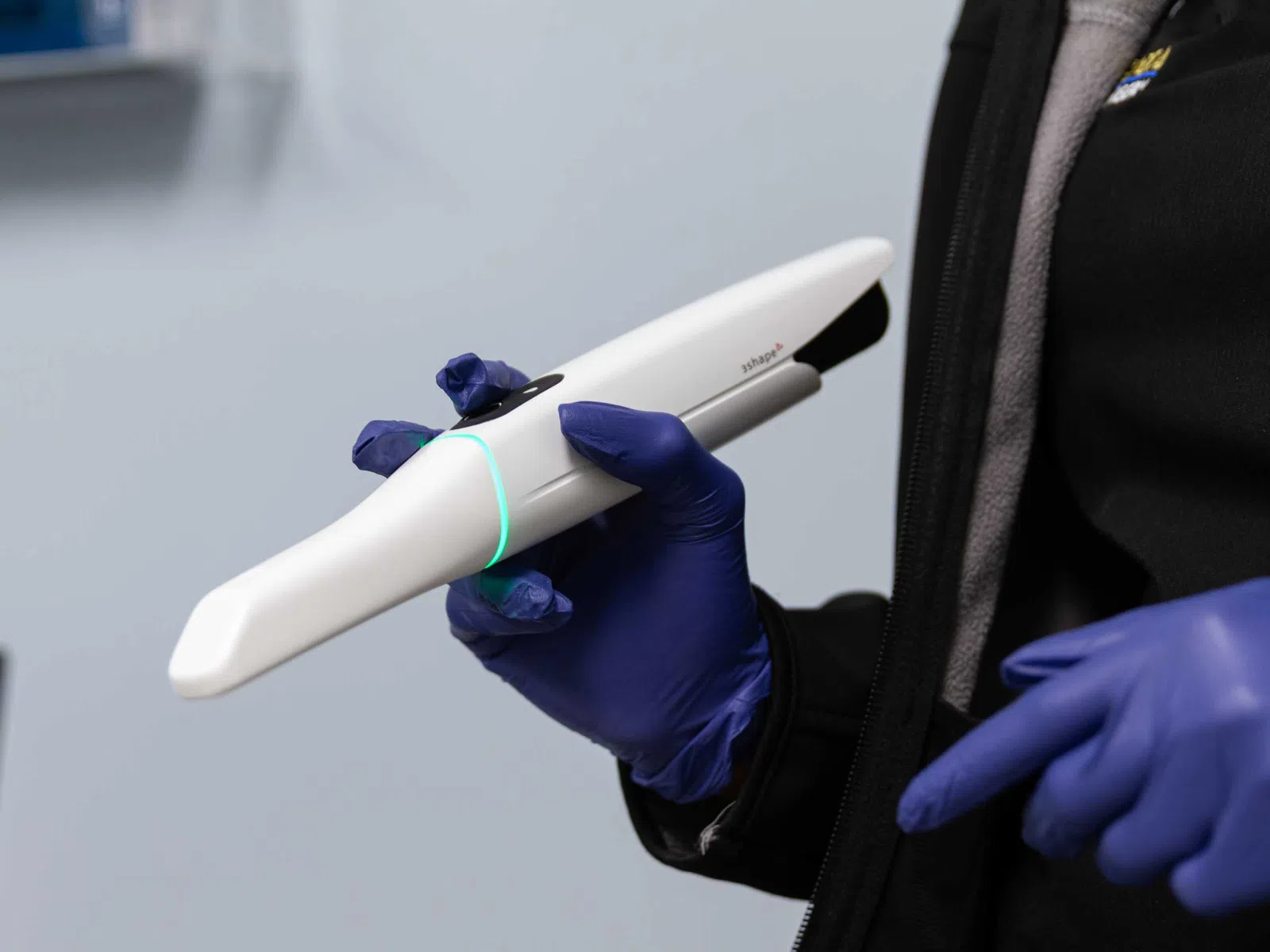
Photogrammetry in dentistry uses special cameras to record the exact position of dental implants. It captures many images at once to create a precise digital map. This information helps the dental lab design full-arch replacement teeth that fit well and feel comfortable. It also replaces messy impression trays for many people.
Q How does 3-D printing help with dental implants?
3-D printing helps with dental implants by turning digital plans into surgical guides and temporary teeth. These printed items match the design created from detailed scans. The process saves time and helps the final restoration fit as planned. It also keeps the surgical and restorative steps of treatment closely connected.
Q Does high-tech equipment replace the oral surgeon’s skill?
Technology does not replace an oral surgeon's skill or judgment. Imaging and guidance systems give surgeons better information, but the surgeon still makes every decision. Years of training help the surgeon read scans and respond to changes during surgery. The best outcomes come from combining hands-on experience with modern surgical equipment.
Q Is guided implant surgery more comfortable?
Guided implant surgery can be more comfortable for many people because careful planning often allows smaller incisions. Some procedures may not need the gums opened as widely, which can mean less swelling afterward. Shorter surgery times may also help with comfort. Comfort still depends on the procedure and each person's healing.

