
Single-Tooth Implants
Replace What Your Smile Is Missing
Restore Your Bite With Single-Tooth Implants in Norfolk
Don't hide your smile or chew on one side because of a tooth gap. Replacing that tooth with an implant restores a natural look and lets you eat what you enjoy without thinking twice.
With single-tooth implants in Norfolk, our surgeon will place a small post in your jawbone that acts as a new root. Once it bonds with the bone, a custom crown completes your smile. Because the implant stands on its own, the healthy teeth on either side stay intact. Robotic guidance and real-time navigation help your surgeon position the post exactly where it needs to go.
IV sedation is available if you feel nervous about surgery. Schedule a consultation to see if an implant crown fits your needs.
Find Out What Happens at Each Step of Single Implant Treatment
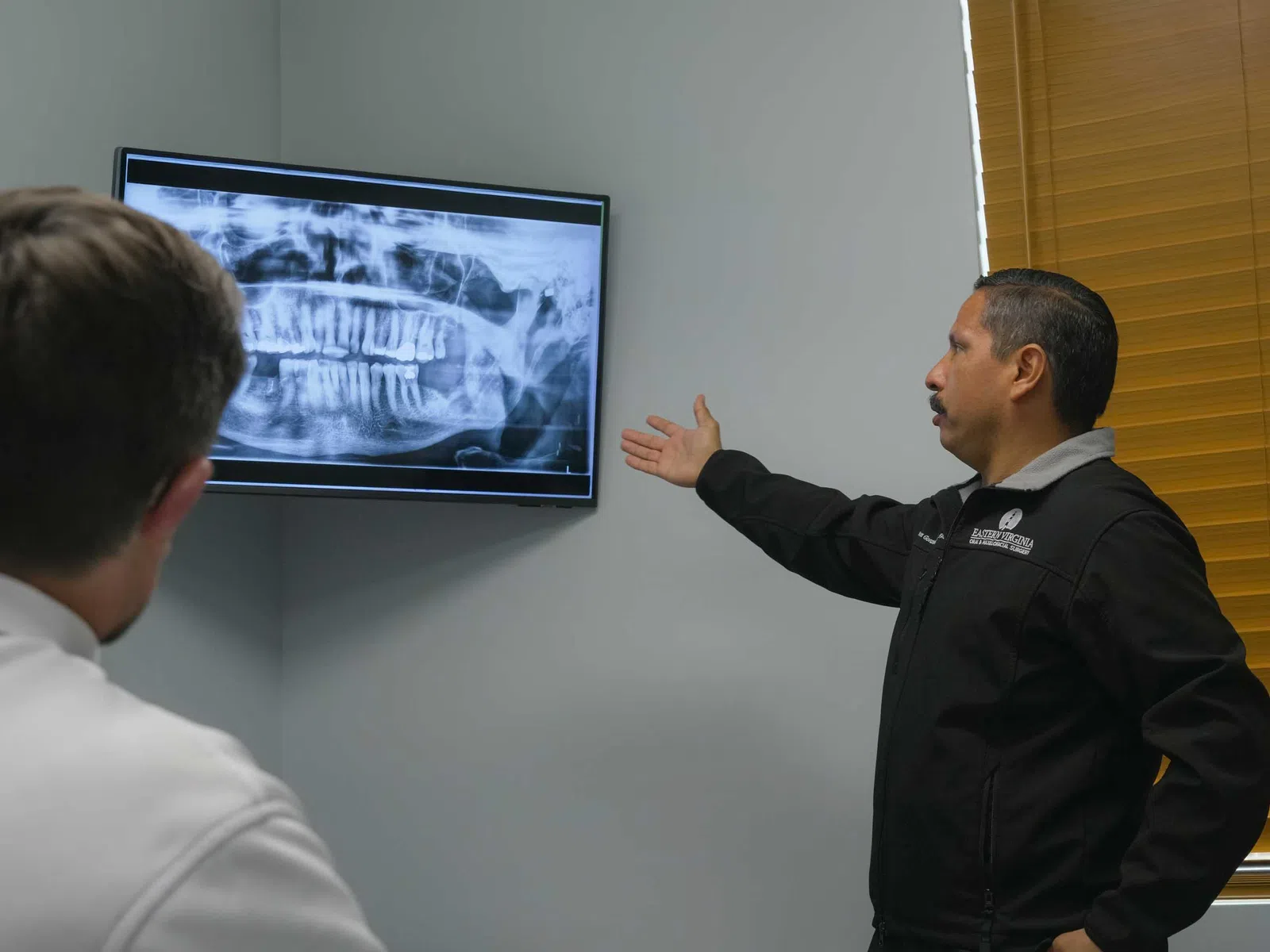
Single-tooth implant treatment happens in a few clear steps, starting with a consultation and ending with a custom crown. At your first visit, your surgeon will examine the area and review 3-D imaging to check your bone health.
If the tooth is still present, it may be removed and the dental implant placed in the same visit when conditions allow. Otherwise, the site will heal first, and a bone graft may add strength where needed. During placement, your surgeon will follow a digital plan to set the implant at the right angle and depth.
Over the next few months, the implant will integrate with your bone. A small connector called an abutment is attached to the implant, and your final crown is placed. With daily brushing and regular checkups, your implant crown can serve you for many years.
Learn more about single-tooth implants in Norfolk by contacting our office today.
Durable Tooth Replacement
With proper care, an implant can last for decades, unlike conventional bridges that need replacing after a few years.
Easy Daily Care
You brush and floss an implant crown just like your natural teeth, with no special routines.
Clear, Natural Speech
A secure implant-supported crown won't shift when you talk, so your words come out clearly.
Healthy Gumline
Replacing the root helps maintain bone and gum height, so the area around your new tooth looks natural.
Same-Visit Option
When conditions allow, your damaged tooth can be removed and replaced with an implant during the same appointment.
Frequently Asked Questions About Single-Tooth Implants
Q What is a single-tooth implant made of?
A single-tooth implant is usually made of titanium, a strong metal that bonds well with bone. Some implants use zirconia, a tooth-colored ceramic. The crown on top is often made of porcelain or zirconia to match nearby teeth. These materials are durable and safe for long-term use in the mouth.
Q Can a single-tooth implant replace a front tooth?
A single-tooth implant can replace a front tooth with a natural-looking crown. Front teeth need careful planning because gum shape and color matter so much. The crown is shaded to blend with nearby teeth. A temporary tooth can often be worn during healing so there is no visible gap.
Q Who is a good candidate for a single-tooth implant?
A good candidate for a single-tooth implant is missing one tooth and has healthy gums. Enough jawbone is also needed, though grafting can rebuild thin areas. Good overall health helps healing. Teens usually wait until jaw growth is complete before receiving an implant. An exam confirms whether an implant is the right choice.
Q What happens if I don’t replace a missing tooth?
Not replacing a missing tooth can lead to changes in your bite over time. Nearby teeth may tilt or drift into the gap. The jawbone in that spot can slowly shrink without a root to stimulate it. These changes can make future replacement more complex and affect chewing comfort. The opposing tooth may also shift.
Q Will a single-tooth implant look natural?
A single-tooth implant can look very natural when the crown is custom made. The crown is shaped and shaded to match nearby teeth. Because the implant sits in the bone like a root, the gums form around it naturally. Most people can't tell an implant crown from a natural tooth.
Q Can a single-tooth implant get a cavity?
A single-tooth implant can't get a cavity because the crown and post are not made of natural tooth material. However, the gums and bone around the implant can still develop an infection. Brushing and flossing daily protect the surrounding tissue. Regular dental cleanings help keep the implant healthy long term.
Q How soon can I return to work after single-tooth implant surgery?
Most people return to work the day after single-tooth implant surgery. Mild soreness and swelling may last a few days but rarely interfere with desk work. Jobs involving heavy lifting may need a short break of a few days. People who receive IV sedation should rest for the remainder of surgery day.
Q Can I get a single-tooth implant if I have gum disease?
You can often get a single-tooth implant after gum disease is treated and under control. Active infection raises the risk of implant failure. Treating the gums first creates a healthier foundation. Some people also need bone grafting if gum disease caused bone loss around the missing tooth. Ongoing gum care helps protect the implant.

